Introduction
When choosing between cotton vs Organic cotton t-shirts, understanding their environmental and ethical impacts is crucial. Conventional cotton, while widely used, often relies on pesticides and excessive water, whereas organic cotton prioritizes sustainable farming practices.
Table of Contents
For eco-conscious consumers, opting for sustainable clothing like organic cotton tees reduces harm to the planet. This guide breaks down the differences, benefits, and care tips to help you make informed choices.
Materials & Supplies
To create or source sustainable clothing, you’ll need:
- Organic cotton fabric (GOTS-certified)
- Eco-friendly dyes (low-impact or plant-based)
- Recycled packaging materials
- Energy-efficient sewing machines
Timing / Process Schedule
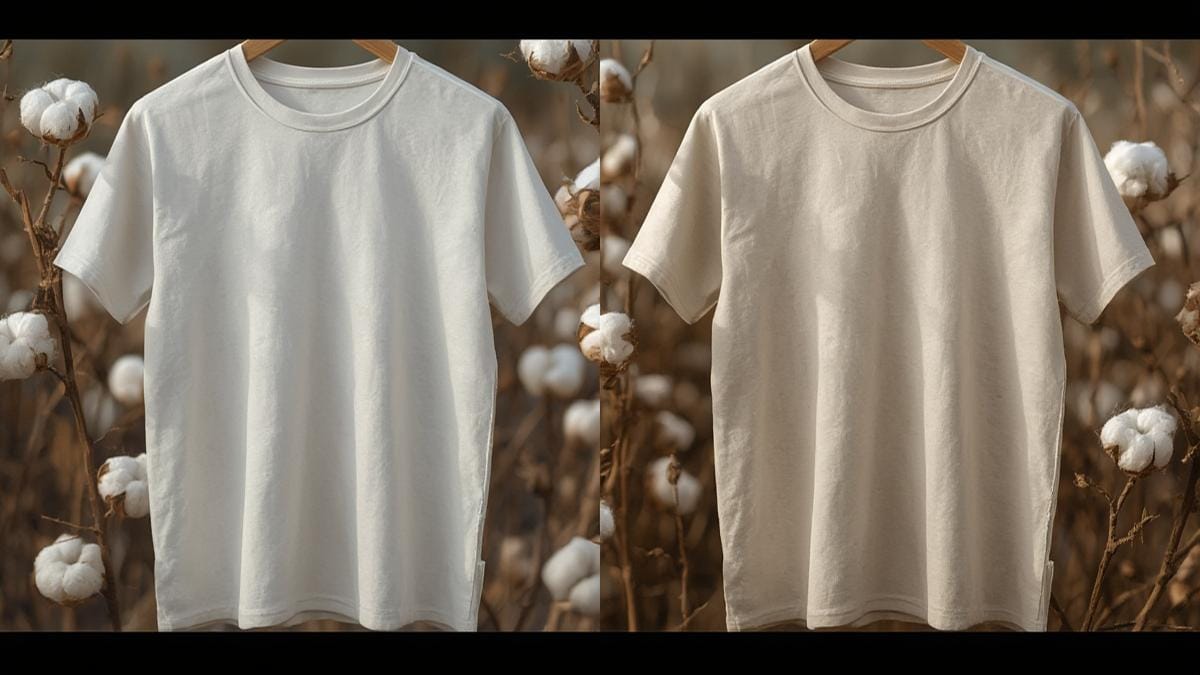
Producing cotton vs Organic cotton t-shirts varies in time. Conventional cotton farming takes 6-7 months, including pesticide use and irrigation. Organic cotton requires 8-9 months due to natural pest control and rainwater reliance. Manufacturing adds 2-3 weeks for both, but organic processes prioritize slower, eco-friendly dyeing and finishing.
Step-by-Step Instructions

- Source Materials: Choose GOTS-certified organic cotton for sustainable clothing.
- Design: Opt for minimalist styles to reduce fabric waste.
- Dyeing: Use low-water, chemical-free dyes.
- Production: Partner with ethical factories using renewable energy.
- Packaging: Ship in recycled or biodegradable materials.
Benefits / Advantages
Choosing cotton vs Organic cotton t-shirts offers:
- Environmental Impact: Organic cotton uses 91% less water and no synthetic chemicals.
- Health: Reduces skin irritation from pesticide residues.
- Durability: Organic fibers are softer and longer-lasting.
- Ethical Labor: Supports fair wages and safe working conditions.
Tips, Alternative Methods, or Expert Advice
- Mix organic cotton with recycled polyester for stretch.
- Use natural indigo for darker hues without toxins.
Common Mistakes to Avoid

- Assuming “organic” means sustainable—verify certifications like GOTS.
- Overwashing sustainable clothing, which shortens its lifespan.
Ignoring supply chain transparency of brands.
Storage / Maintenance / Ongoing Care Tips
- Wash in cold water to preserve fibers and color.
- Air-dry instead of using a dryer to reduce energy use.
Conclusion
Choosing between cotton vs Organic cotton t-shirts impacts both the environment and your wardrobe’s ethics. Organic cotton stands out for its eco-friendly farming and softer feel, making it a cornerstone of sustainable clothing. By prioritizing certifications and mindful care, you contribute to a greener future.
FAQs
Can organic cotton be recycled? Yes, it’s biodegradable and recyclable into new fabrics.
How to spot fake organic claims? Check for GOTS or Oeko-Tex certifications on labels.