cotton vs Organic cotton t-shirts are a hot topic in fashion, especially as more consumers prioritize eco-friendly choices. Understanding the differences between conventional and organic cotton is key to making informed decisions for sustainable clothing. This guide breaks down materials, benefits, and care tips to help you choose wisely.
—
Materials & Supplies (H2)
To create or source organic cotton t-shirts, you’ll need:
– Organic cotton fabric (GOTS-certified)
– Low-impact, non-toxic dyes
– Recycled or biodegradable packaging
– Ethical manufacturing partners
– Water-efficient production systems
—
Timing / Process Schedule (H2)
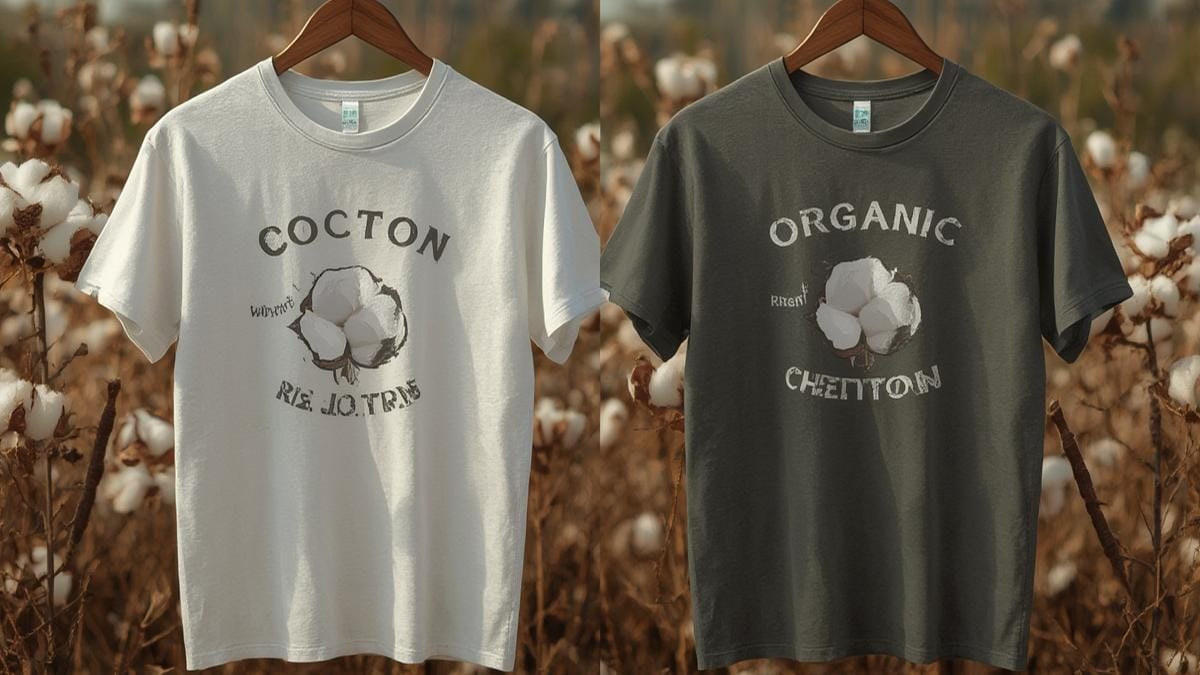
Producing organic cotton takes 6–8 months, compared to 5–6 months for conventional cotton. The longer timeline stems from organic farming practices, which avoid synthetic chemicals and prioritize soil health.
—
Step-by-Step Instructions (H2)

1. Source Responsibly: Choose GOTS-certified organic cotton for sustainable clothing that meets environmental and ethical standards.
2. Compare Costs: Organic cotton may cost 20–30% more due to eco-friendly farming practices.
3. Check Labels: Look for certifications like Fair Trade or OEKO-TEX to ensure quality.
4. Wash Mindfully: Use cold water and eco-detergents to extend the lifespan of your cotton vs Organic cotton t-shirts.
—
Benefits / Advantages (H2)
– Eco-Friendly: Organic cotton uses 91% less water and zero synthetic chemicals.
– Healthier for Farmers: Reduces exposure to harmful pesticides.
– Softer Fabric: Fewer chemical residues mean gentler, hypoallergenic material.
– Carbon Footprint: Organic farms emit 46% less CO₂ than conventional ones.
—
Tips, Alternative Methods, or Expert Advice (H2)
– Try blended fabrics like organic cotton + hemp for added durability.
– Support brands that use regenerative agriculture practices.
– Repurpose old t-shirts into cleaning rags or DIY projects.
—
Common Mistakes to Avoid (H2)

– Ignoring Certifications: Not all “organic” claims are verified—look for GOTS labels.
– Overwashing: Frequent washing degrades fabric; spot-clean when possible.
– Disposing Responsibly: Avoid sending worn-out sustainable clothing to landfills—recycle or compost instead.
—
Storage / Maintenance / Ongoing Care Tips (H2)
– Air-dry to prevent shrinkage and energy waste.
– Store in a cool, dry place to avoid mildew.
– Mend small tears promptly to extend garment life.
—
Conclusion (H2)
Choosing between cotton vs Organic cotton t-shirts impacts both your wardrobe and the planet. Organic cotton offers clear advantages for sustainable clothing, from eco-friendly production to long-term durability. By prioritizing certifications and mindful care, you can make a positive environmental impact.
—
FAQs (H2)
1. Is organic cotton more expensive?
Yes, due to labor-intensive farming, but prices are dropping as demand grows.
2. Does organic cotton shrink less?
Both types may shrink, but organic cotton’s lack of chemical coatings can make it more prone to shrinkage if washed improperly.
3. Can organic cotton be recycled?
Yes! It’s biodegradable and can be composted or repurposed.
4. Why is organic cotton softer?
Fewer chemical treatments during farming and processing preserve its natural softness.
5. How do I verify organic claims?
Look for certifications like GOTS, Fair Trade, or USDA Organic on labels.
—
For more eco-friendly fashion insights, explore our cotton vs Organic cotton t-shirts collection today!