Introduction:
Have you noticed eco-conscious fashion taking over runways and street style alike? The Upcycled patchwork fashion style 2026 is leading this revolution, blending sustainability with jaw-dropping creativity.
Table of Contents
By repurposing fabric scraps, damaged garments, or forgotten textiles into wearable art, this trend cuts waste while giving wearers a one-of-a-kind look. In this guide, you’ll learn how to embrace this movement at home—saving money, reducing landfill contributions, and unlocking your unique style DNA.
Materials & Supplies
- Textile Scraps: Old clothing, bedsheets, or fabric remnants (cotton, denim, linen work best).
- Fabric Scissors: Sharp blades for clean cuts.
- Sewing Machine or Needle/Thread: For stitching patches (hand-sewing works for small projects).
- Fusible Interfacing: Stabilizes delicate fabrics (optional but recommended).
- Tailor’s Chalk or Fabric Marker: For tracing patch shapes.
- Iron: To press seams and interfacing.
- Base Garment: A jacket, jeans, or tote bag to upcycle.
Alternative: Use fabric glue for no-sew projects.
Timing / Process Schedule

Preparation: 1–2 hours (sorting fabrics, washing/drying materials).
Assembly: 3–6 hours depending on complexity (compared to 1 hour for standard sewing projects).
Result: A durable, personalized garment ready in a weekend. Expect a 70% reduction in textile waste per item!
Step-by-Step Instructions
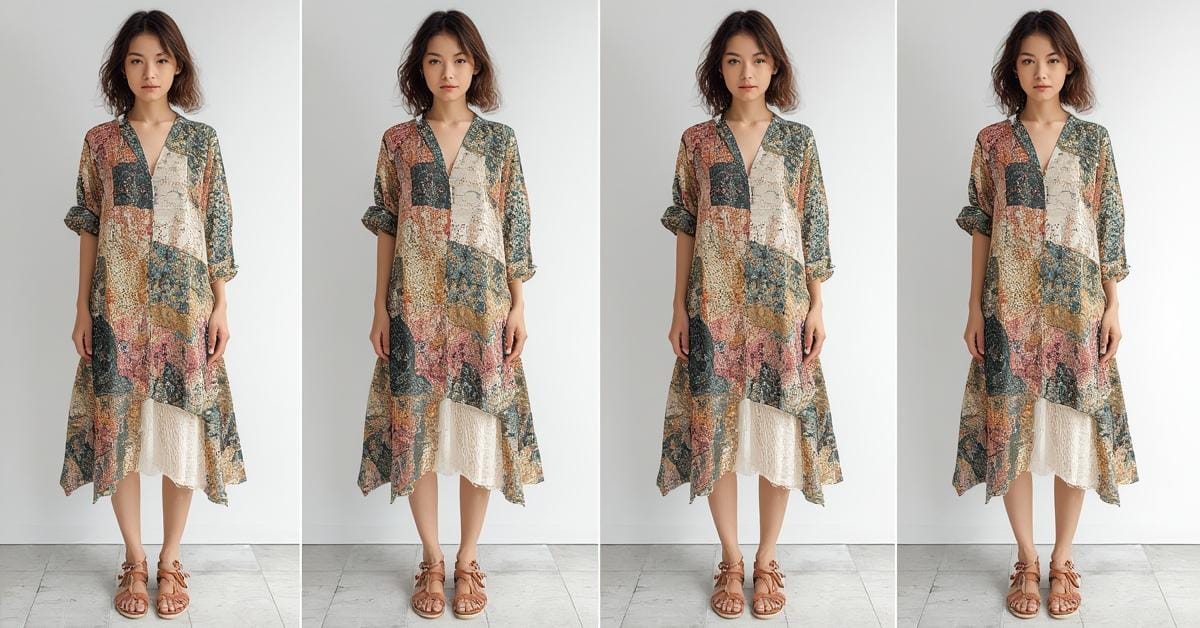
- Curate Your Textiles: Select fabrics with similar weights. Tip: Pre-wash to prevent shrinkage.
- Cut Uniform Shapes: Use squares, triangles, or free-form pieces (2″–4″ sizes ideal).
- Arrange Your Design: Play with color blocking or randomized layouts on your base garment.
- Stitch Patches: Sew edges with a zigzag stitch for texture or straight stitch for subtlety. The Upcycled patchwork fashion style 2026 thrives on visible seams!
Benefits / Advantages
- Eco-Impact: Diverts 5–10 lbs of fabric from landfills per project.
- Budget-Friendly: Costs 90% less than buying new designer pieces.
- Creative Freedom: No two items look identical—own your signature style.
Tips, Alternative Methods, or Expert Advice
- No-Sew Hack: Use fabric glue or iron-on adhesives for quick fixes.
- Theme It: Try “memory patches” using fabric from meaningful events.
- Advanced Touch: Embroider edges for bohemian flair.
Common Mistakes to Avoid

- Mismatched Fabric Weights: Pair lightweight cottons, not denim with silk. Fix: Use interfacing as a stabilizer.Uneven Stitching: Causes fraying. Fix: Set sewing machine to consistent speed.
- Overcrowding Patches: Leave ¼” space between pieces for movement.
Storage / Maintenance / Ongoing Care Tips
- Hand-wash in cold water to preserve stitching.
- Store flat or on padded hangers to prevent distortion.
- Refresh frayed edges with a dab of clear nail polish.
Add new patches annually to evolve your design.
Conclusion
The Upcycled patchwork fashion style 2026 isn’t just a trend—it’s a sustainable manifesto you can stitch into reality. By breathing new life into discarded fabrics, you reduce waste while creating wearable art that sparks conversations. Ready to join the movement? Grab those scissors, raid your closet, and tag us in your first #Patchwork2026 creation!
FAQs
Q: Can I upcycle synthetic fabrics?
A: Yes! But polyester blends require a microtex needle to sew cleanly.
Q: How do I prevent color bleeding?
A: Soak colored fabrics in vinegar/water (1:4 ratio) before cutting.
Q: What’s the easiest garment for beginners?
A: Denim jackets—their sturdy fabric forgives stitching errors.
Q: Can I machine-wash patchwork items?
A: Use a gentle cycle inside out, and air-dry to preserve seams.
“`