Introduction
Ever wondered how to build a stylish wardrobe that aligns with your values and your budget? For Gen Z, the struggle is real: 73% prioritize sustainability, but fast fashion’s low prices remain tempting. The good news? Affordable eco-friendly clothing for Gen Z isn’t just a dream—it’s a movement revolutionizing fashion. By embracing affordable eco-friendly clothing for Gen Z, you reduce waste, support ethical practices, and curate a unique style without draining your wallet. Let’s break down how to shop smarter.
Table of Contents
Materials & Supplies
You don’t need fancy tools—just these resources:
- Digital Research Tools: Apps like Good On You or Ethical Fashion Guide to vet brands.
- Secondhand Platforms: Depop, ThredUp, or local thrift stores for pre-loved gems.
- Sustainable Fabric Guide: Look for organic cotton, Tencel, or recycled polyester.
- Budget Tracker: Google Sheets or Mint to plan purchases mindfully.
- Optional: A sewing kit for upcycling tired pieces into trendsetters.
Timing / Process Schedule

Preparation time? Just 1–2 hours weekly for research. Results? A curated wardrobe in 4–6 weeks that saves you $500+ yearly compared to fast-fashion hauls. Unlike impulse buys, mindful shopping spreads costs—e.g., invest in 2–3 quality monthly pieces vs. 10 disposable ones.
Step-by-Step Instructions
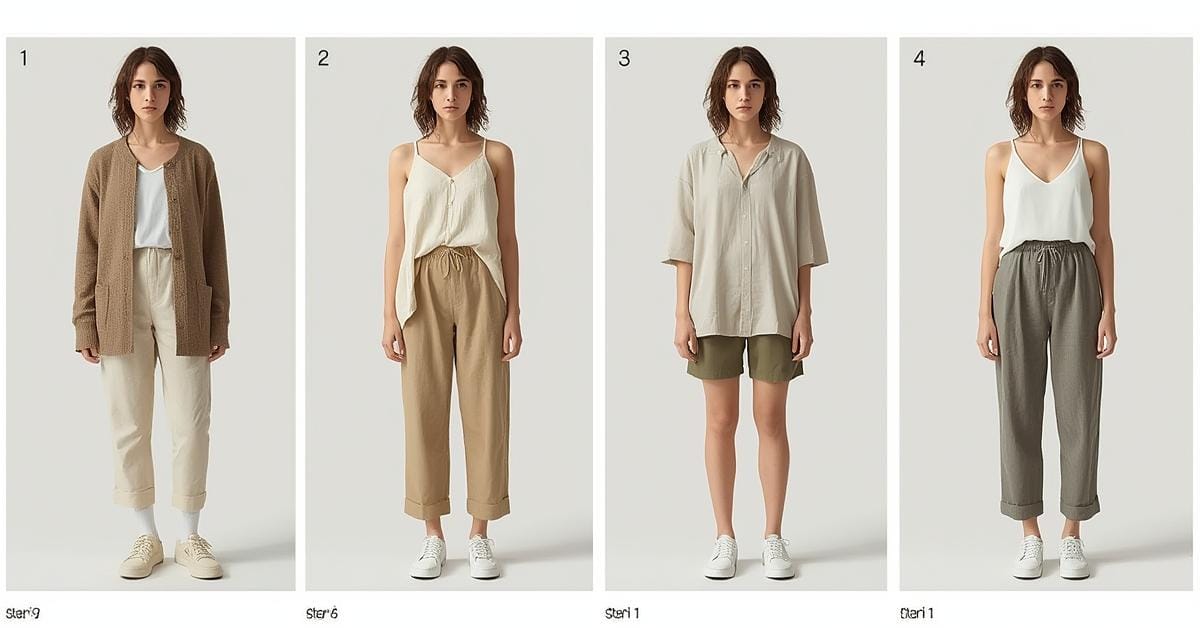
- Audit Your Closet: Donate unused items and identify gaps. Tip: Use a “30 wears” rule—only buy if you’ll wear it 30+ times.
- Research Ethical Brands: Bookmark platforms like affordable eco-friendly clothing for Gen Z that mix style, sustainability, and savings.
- Set a Budget: Allocate monthly funds for conscious purchases. Trick: Unsubscribe from fast-fashion emails to avoid temptation.
- Evaluate Materials: Prioritize GOTS-certified fabrics or recycled blends for durability.
Join Communities: Follow #SustainableFashion on TikTok for DIY hacks and brand drops.
Benefits / Advantages
- Save $1,200+ Annually: Quality pieces last longer, reducing replacements.
- Slash Carbon Footprint: Organic cotton uses 91% less water than conventional.
- Unique Style: Stand out with limited-edition sustainable designs.
Tips, Alternative Methods, or Expert Advice
- Rent, Don’t Buy: Use Rotaro for event outfits to avoid closet clutter.
- Capsule Wardrobe: Build a 30-item mix-and-match collection.
- DIY Dyeing: Revive faded clothes with non-toxic dyes like Dharma Trading Co.
Common Mistakes to Avoid
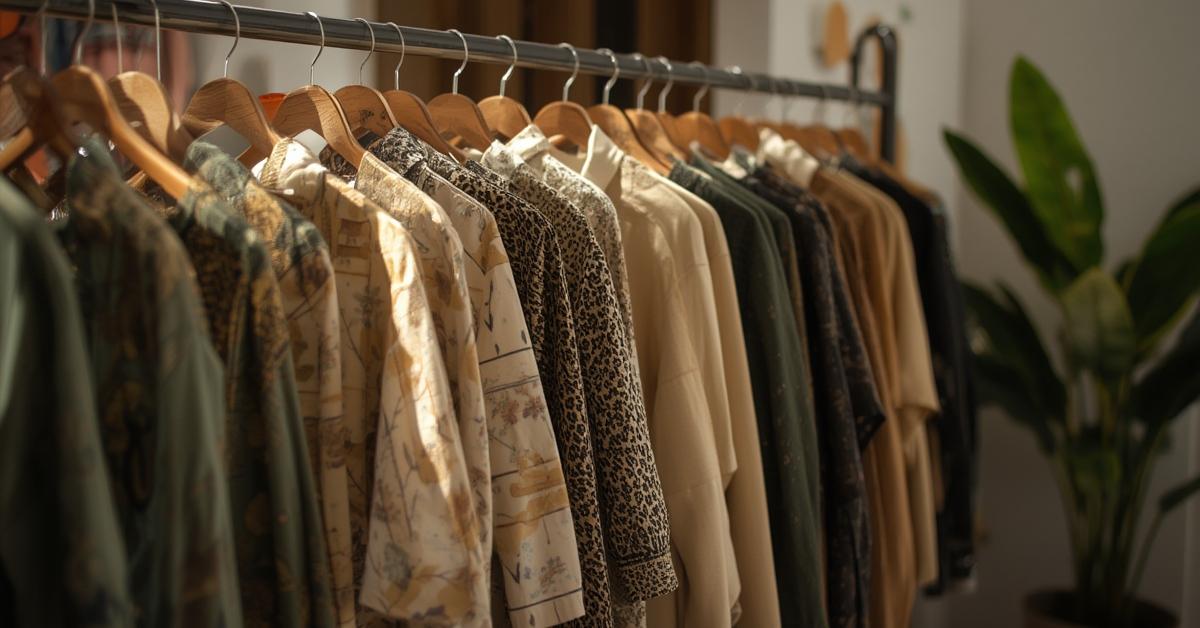
- Greenwashing Trap: Brands may use vague terms like “eco-conscious” without certifications. Solution: Check for B Corp or Fair Trade labels.
- Overbuying “Eco” Items: Sustainable ≠ needless. Stick to your closet audit plan.
- Ignoring Care Labels: Cold-wash clothes to extend lifespan by 2x.
Storage / Maintenance / Ongoing Care Tips
- Fold, Don’t Hang: Preserve knitwear shape to avoid stretching.
- Spot Clean: Tackle stains immediately to avoid harsh washing cycles.
- Seasonal Rotation: Store off-season clothes in breathable cotton bags.
Conclusion
Switching to affordable eco-friendly clothing for Gen Z isn’t a sacrifice—it’s a style upgrade with purpose. You’ll save money, reduce waste, and wear pieces that tell a story. Ready to redefine your closet? Share your first eco-haul with #ConsciousGenZ and tag us!
FAQs
Q: Can eco-friendly fashion ever be truly affordable?
A: Absolutely! Opt for secondhand platforms, brand sales, or clothing swaps to cut costs by up to 70%.
Q: How do I know if a brand is genuinely sustainable?
A: Look for transparency in supply chains, third-party certifications (like OEKO-TEX), and tangible climate goals.
Q: What’s the most versatile eco-friendly fabric?
A: Tencel—soft, durable, biodegradable, and perfect for capsules.
Q: How can I make my existing clothes last longer?
A: Wash less often, air-dry, and learn basic stitching for quick repairs.