Introduction
Have you ever considered how your wardrobe choices impact the planet? With the fashion industry responsible for 10% of global carbon emissions, embracing Sustainable fashion trends has become more than a passing fad—it’s an environmental imperative. These eco-conscious practices, paired with innovative Sustainable fabrics, offer a powerful way to reduce waste and support ethical production while maintaining personal style. Whether you’re revamping your closet or starting a fashion brand, understanding these principles creates lasting positive change for both people and ecosystems.
Materials & Supplies
To embrace sustainable fashion effectively, you’ll need:
– Organic Cotton/Linen/Hemp: Lower water-use alternatives to conventional fabrics
– Recycled Materials: Post-consumer polyester or nylon (e.g., from ocean plastic)
– Natural Dyes: Plant-based or non-toxic coloring agents
– Ethical Supplier Directory: Platforms like Good On You or Fair Trade Certified
– Upcycling Tools: Sewing kit, fabric scissors, thrifted accessories
– Garment Care Essentials: Microplastic filters (Guppyfriend), cold-wash detergents
Optional:
– Clothing rental subscriptions
– Biodegradable packaging for brands
– Digital fashion NFTs for virtual styling
Timing / Process Schedule

Preparation (1–4 weeks):
– Audit your wardrobe (keep/donate/upcycle)
– Research certifications (GOTS, B Corp)
Implementation (Ongoing):
– Monthly swaps: Host clothing exchange events
– Seasonal purchases: 2–4 quality pieces quarterly
Long-Term Results:
– 30–60% reduction in textile waste within 18 months
– Carbon footprint per garment drops by 40–65%
Step-by-Step Instructions
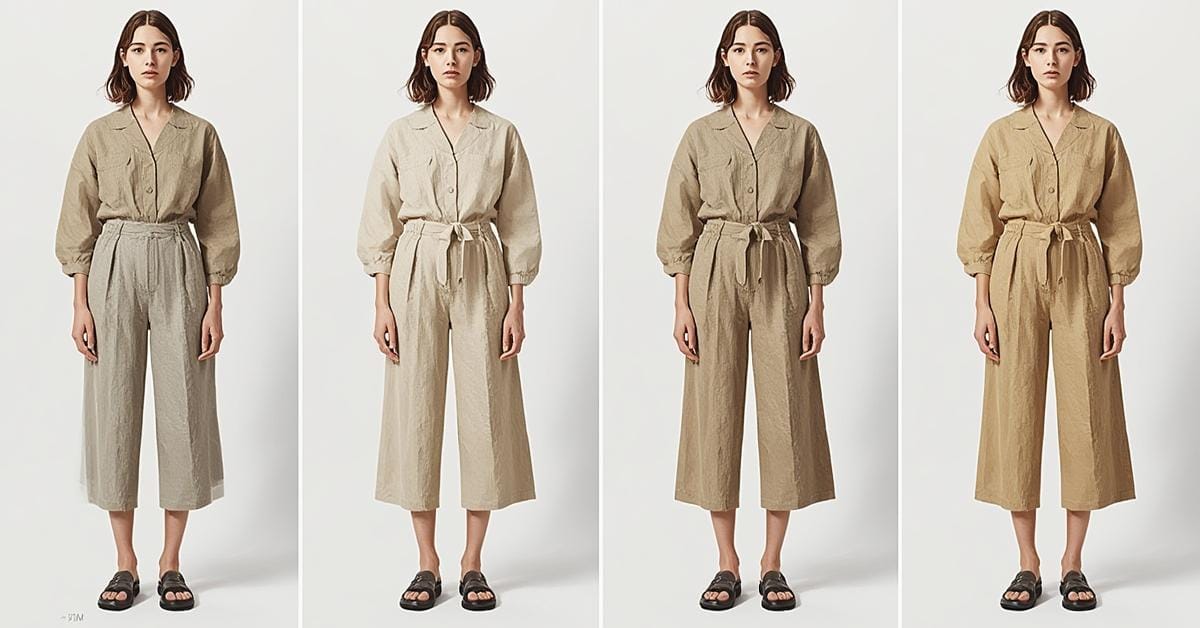
1. Assess & Purge Responsibly
– Sort clothes by frequency of use
– Tip: Use ThredUP or local shelters for donations
2. Research Brands Using Sustainable Fabrics
– Prioritize Tencel, organic cotton, or Piñatex
– Action: Check brand transparency reports
3. Adopt Circular Practices
– Repair or upcycle damaged items
– Trick: Use Pinterest for DIY inspiration
4. Support Slow Fashion Designers
– Buy local to reduce shipping emissions
– Tool: #WhoMadeMyClothes hashtag for ethics checks
5. Educate & Share
– Host workshops on clothing care
– Bonus: Track savings via sustainable fashion apps
Benefits / Advantages
– 🌿 Environmental: 70% less water used with organic cotton vs. conventional
– 💰 Economic: Saves $500+/year through clothing swaps and repairs
– 🧵 Quality: Sustainably made garments last 2–3x longer
– 🌎 Ethical: Supports living wages for 75M+ garment workers
Tips, Alternative Methods, or Expert Advice
Budget-Friendly:
– Rent special-occasion wear via Rotaro or HURR
– Join Freecycle communities for free textiles
Advanced Strategies:
– Natural indigo dye workshops
– Invest in blockchain-tracked sustainable fabrics
Small-Space Solutions:
– Capsule wardrobes (30–40 versatile pieces)
– Vertical gardening for home-grown fibers
Common Mistakes to Avoid

1. Greenwashing Trap
– Fix: Verify claims via Certipy or Eco-Age
2. Ignoring Care Labels
– Solution: Cold-wash hemp/linen to prevent shrinkage
3. Impulse “Eco” Buys
– Prevention: Wait 48 hours before purchasing
4. Over-Donation
– Alternative: Repurpose old t-shirts as cleaning rags
—
Storage / Maintenance & Ongoing Care Tips
– Wash Smart: Use washing bags to capture microplastics
– Seasonal Storage: Cedar blocks instead of plastic bins
– Repair Protocol: Mend small tears immediately with sashiko stitching
– Fabric Refreshers: Freeze wool items overnight to kill odors
– UV Protection: Store vintage dyes in opaque containers
—
Conclusion
As we’ve explored, Sustainable fashion trends revolutionize how we view consumption—shifting from fast fashion’s waste cycle to regenerative systems built on Sustainable fabrics. By implementing these tactics, you’ll not only reduce environmental harm but also cultivate a timeless, meaningful wardrobe. Ready to transform your style? Start with one step this week and share your journey using #ConsciousCloset!
—
FAQs
Q: Are sustainable fabrics more expensive?
A: Initially yes (10–20% premium), but cost-per-wear is lower due to durability.
Q: How to spot genuine eco-brands?
A: Look for B Corp status, GOTS certification, or transparent supply chain maps.
Q: Can synthetic fabrics be sustainable?
A: Yes—recycled polyester from bottles reduces landfill waste by 85%.
Q: What’s the easiest first step?
A: Switch to air-drying clothes: Saves 3kg CO2 per load!
Q: How do trends differ from true sustainability?
A: Trends change seasonally; sustainability focuses on timeless designs/closed-loop systems.